Window AC Maintenance Guide: When does maintenance need to be done and how to maintain cooling efficiency?
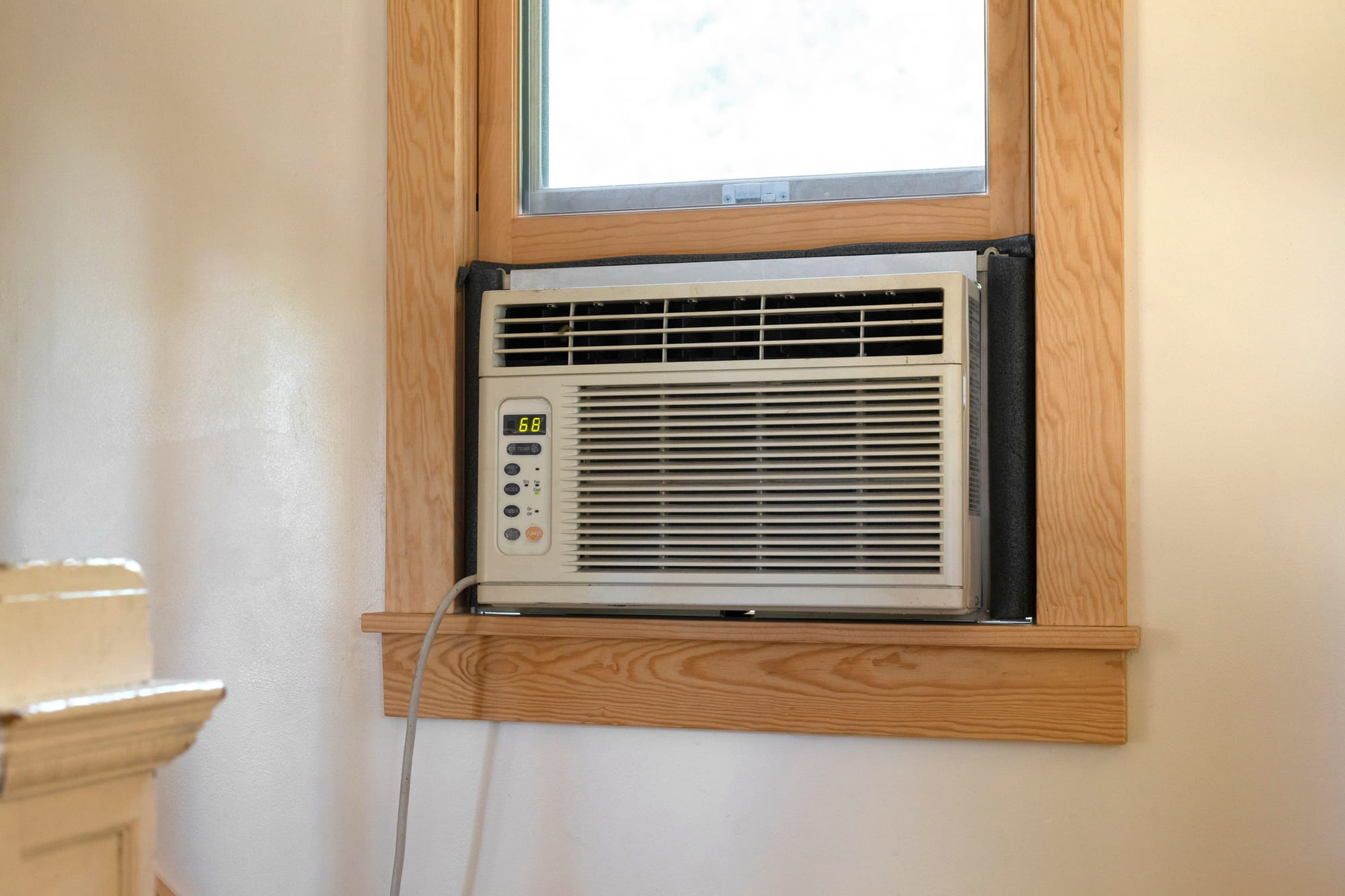
Maintaining your window air conditioner is essential for consistent cooling and low operating costs. These units operate in dusty and humid environments, so their efficiency deteriorates rapidly if not properly cared for. This guide will help you identify signs that indicate the need for maintenance and outline routine steps you can perform yourself. We'll also explain how to choose a suitable service provider when the problem extends beyond home maintenance. Prevention is key, as it's less expensive and extends the unit's lifespan. Regular cleaning reduces noise, purifies the air, and lowers the load on the compressor, thus minimizing the likelihood of unexpected breakdowns. Setting the temperature sensibly also reduces strain on the unit and stabilizes performance. Regular cleaning maintains air quality, which is especially important for allergy sufferers and children. These tips are for anyone who wants a comfortable summer without unexpected interruptions.
When do you need window air conditioner maintenance urgently?
There are clear signs that require immediate attention, such as a sudden decrease in cooling. A noticeably louder operating noise or vibration of the unit within the room is also a warning sign. Persistent water leaks or moisture buildup around the appliance are indicators that should not be ignored. You might also notice a faint burning smell or a significant increase in electricity consumption. Abnormal vibration upon startup is another sign that should be investigated. Sometimes, more dust than usual appears, or the air becomes consistently lukewarm. If you notice a change in air color or a persistent dust odor, there is a problem with the filters. When these signs appear, delaying inspection could lead to damage to critical components. At this stage, thorough maintenance becomes essential to prevent the appliance from breaking down during hot weather.
First, check the filters, then ensure the cooling coils are clean. Observe whether the fan is running smoothly or stalling frequently. Monitor the cooling time; if it's unusually long, there's an internal problem. If the air is lukewarm after a prolonged cooling period, this is a strong indicator of an internal fault. Check the power cord and circuit breaker to ensure there are no frequent trips. These observations will help the technician diagnose the problem more quickly, and the earlier the diagnosis, the lower the repair cost. Ignoring these early signs will accelerate the wear and tear on internal components.
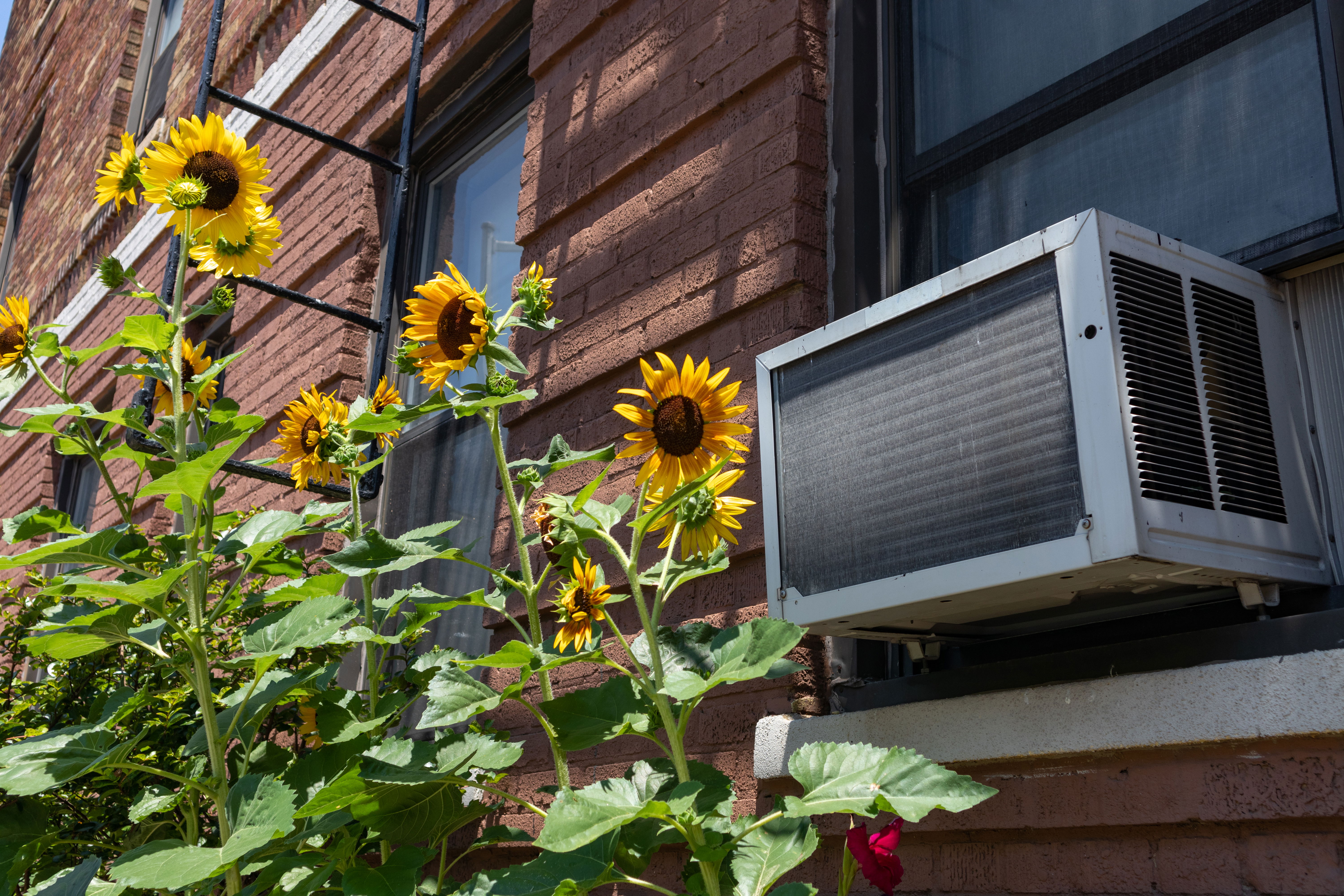
Routine maintenance steps you can take
You can perform a simple routine every two weeks to maintain efficiency. Remove the filter and wash it with lukewarm water, then dry it thoroughly before reinstalling. Wipe the indoor unit's front panel to remove accumulated dust. Clean the outdoor unit's fins with a soft brush, avoiding high pressure. Check the drain hose to ensure it is not blocked. Run the air conditioner on fan mode for several minutes after switching it off to dry out any remaining moisture.
Monitor the cooling speed during the first ten minutes of operation. If you notice a gradual decrease, it indicates the need for a deeper cleaning. These steps are similar to those recommended for comprehensive home air conditioner maintenance and help reduce the load on the compressor and save energy. They also improve air quality and reduce unplea