Why isn't my air conditioner cooling? 7 common reasons and simple solutions
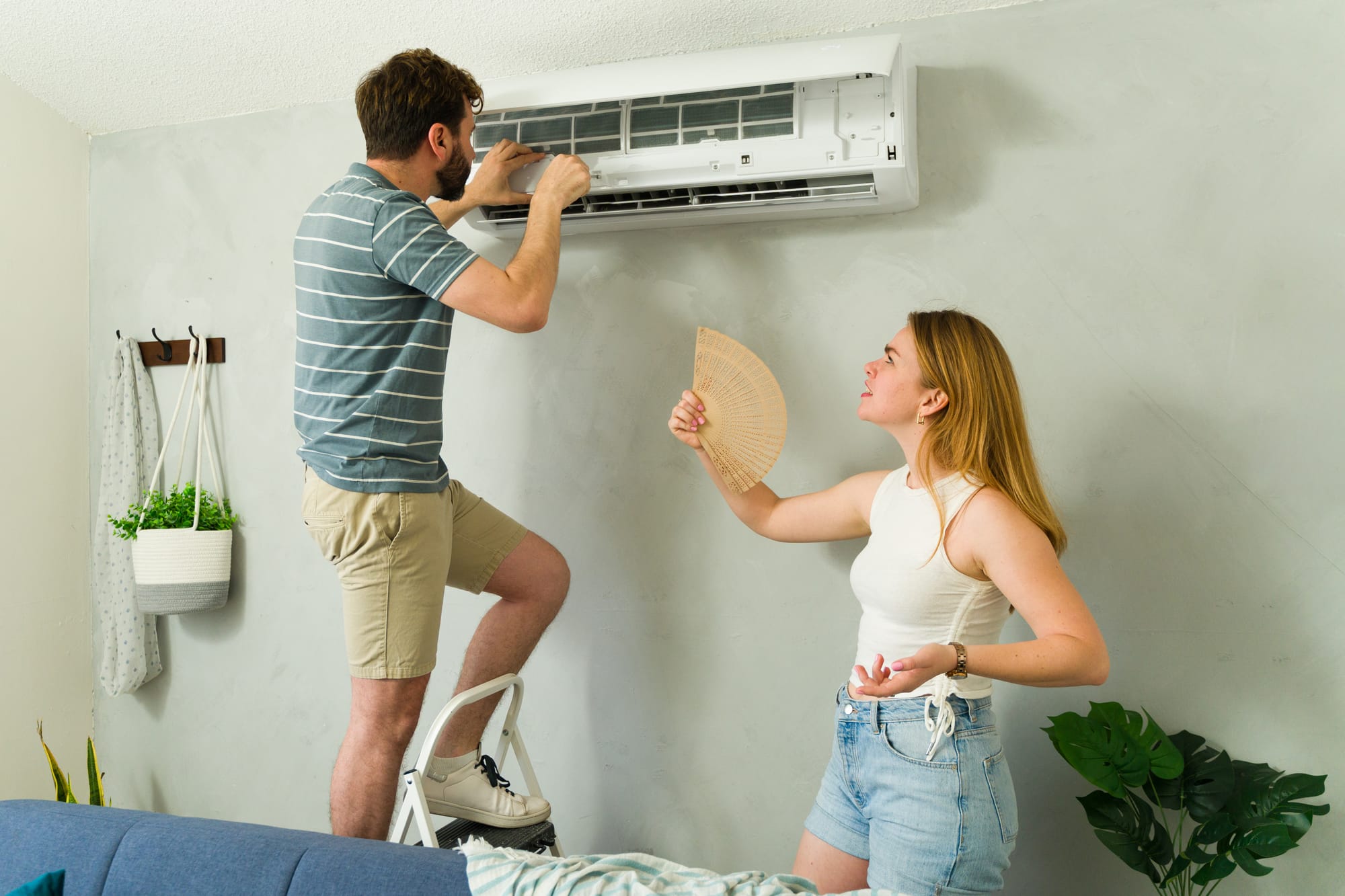
When your air conditioner isn't cooling as well as you're used to, the air becomes stuffy and your electricity bill increases. This problem is common in homes and offices, and it's often caused by simple issues that can be quickly addressed. In this article, you'll learn about the most common reasons for cooling problems and how to distinguish between a temporary malfunction and a fault that requires professional inspection. Many users worry that repairs will be expensive, but a systematic inspection clarifies the situation and reveals available solutions. Gathering information calmly reduces errors and gives you a clear picture. Note-taking also helps you compare performance after each step. We'll provide practical diagnostic steps and preventative tips to help you restore your unit's normal performance. Most importantly, you'll know what to do safely and what to leave to professionals to avoid any damage. The goal is to have a clear picture so you can make the right decision without worry or unnecessary expenses.
Common reasons why an air conditioner isn't cooling
The most common cause is dust buildup on the filters, which reduces the flow of cool air. A second cause is a low refrigerant charge due to a minor leak, resulting in longer run times. A third cause is a dirty outdoor condenser, as dirt obstructs heat dissipation. An incorrect thermostat setting or an incorrect operating mode may also be the culprit. Sometimes, a malfunctioning fan in the indoor or outdoor unit reduces airflow. There may also be cool air leaks from poorly sealed vents or cracks in the insulation. Electrical problems or low voltage can lead to unstable performance, and high humidity affects heat exchange efficiency. Therefore, you may notice weak cooling even in small rooms, despite the unit running. If neglected, the air conditioner may eventually stop working altogether due to compressor failure.
Other signs include the evaporator freezing or ice buildup on the pipes. Airflow may also be blocked by curtains or furniture placed against the vents. By considering these indicators, you'll get a preliminary picture of the likely cause. Understanding the problem before repairs saves time and prevents unnecessary replacement of perfectly good parts.
Quick diagnostic steps that can be performed at home
Start by making sure the thermostat is set lower than the room temperature. Check the remote control batteries and replace them if they are weak. Wait ten minutes and observe if the air coming out is noticeably cooler. Next, inspect the filters; if they are full of dust, clean and dry them. Check the air vents to ensure they are not blocked by furniture or curtains. Listen to the sound of the outdoor unit; a loud noise or vibration may indicate a problem with the fan. Check the drain pipe to ensure there are no blockages preventing water from draining. If you notice a foul odor coming from the air conditioner, there is likely dampness or mold on the coils.
Clean the evaporator surface with a suitable cleaner and allow it to dry before operation. If you notice frozen pipes, turn off the unit and allow it to thaw completely. Reset the circuit breaker to ensure there are no frequent automatic trips. Also, check that the external condenser is clean and free of dust buildup. These simple steps provide a clear initial diagnosis before requiring